Make Delicious Spicy Gochujang Eggs for a Flavorful Meal
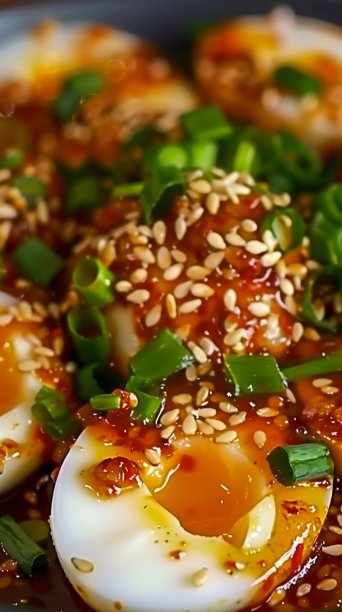
Bright, bold, and impossibly simple, these Spicy Gochujang Eggs transform ordinary boiled eggs into a saucy, umami-packed treat that works for breakfast, lunch, or a snack. In just a few minutes of hands-on time you get jammy yolks cloaked in a sticky gochujang glaze that’s both comforting and exciting. If you love punchy Korean flavors but want a no-fuss dish, this one delivers.
I also like pairing these eggs with quick sides from my favorite collection of time-saving recipes — try one of those ideas like the air-fryer 3-ingredient meals when you need an easy full plate.
Why make this recipe
If you’re tired of bland hard-boiled eggs and want a fast way to add heat, depth, and texture to a protein-packed snack, this recipe is perfect — it solves the “same old egg” problem by turning simple ingredients (eggs, gochujang, garlic, soy) into a richly flavored dish that feels restaurant-worthy with minimal effort.
Step-by-Step Guide to Making Delicious Spicy Gochujang Eggs
Ingredients
- 6 large eggs
- 2 tablespoon gochujang (Korean red chili paste)
- 2 tablespoon soy sauce
- 1 tablespoon honey
- 1 tablespoon sesame oil
- 3 cloves garlic, minced
- 3 green onions, sliced (whites and greens separated)
- 1/2 cup water
- 1 tablespoon neutral oil
- 1 teaspoon toasted sesame seeds
- Optional: sliced chili peppers
Directions
- Bring a pot of water to a boil. Carefully add the eggs and cook for 7 minutes for jammy eggs or 10 minutes for hard-boiled. Transfer the cooked eggs to an ice bath to cool, then peel them and set them aside.
- In a skillet, heat the neutral oil over medium heat. Add the minced garlic and the white parts of the green onions. Sauté until fragrant, about 1 minute.
- Stir in the gochujang, soy sauce, honey, and water. Mix well and bring the sauce to a simmer. Allow it to cook for 2–3 minutes, until the sauce thickens slightly.
- Reduce the heat to medium-low and gently add the peeled eggs to the simmering sauce. Carefully roll the eggs to ensure they’re evenly coated with the flavorful mixture. Let the eggs simmer for an additional 2–3 minutes.
- Turn off the heat and stir in the green parts of the onions, sesame oil, toasted sesame seeds, and sliced chili peppers (if using).
Why the ingredients work
- Gochujang: provides spicy-sweet heat and deep fermented umami that is the backbone of the sauce.
- Soy sauce: adds saltiness and savory balance.
- Honey: smooths the heat and gives the glaze a glossy finish.
- Sesame oil and seeds: introduce a toasty, nutty aroma that complements the chili paste.
- Garlic and green onion whites: build aromatic depth at the start of the sauce.
Practical tips while making the sauce
- Start by lightly sautéing aromatics — that first minute of garlic and onion whites blooming in oil sets the whole dish’s foundation.
- Use water sparingly to loosen the gochujang; you want a sauce that clings to the eggs rather than one that’s watery.
- Roll the eggs gently in the pan so the sauce coats all sides and creates an even glaze.
Flavor and texture notes
These eggs sit in an ideal flavor zone: sweet, salty, spicy, and umami. The texture contrast between the firm exterior and the jammy or creamy yolk (if you opt for 7-minute eggs) is a major reason this dish feels elevated compared to plain boiled eggs.
Serving Suggestions for Delicious Spicy Gochujang Eggs
- Slice the eggs in half and serve atop hot steamed rice with quick pickled cucumbers and a drizzle of the leftover pan sauce for a simple donburi-style bowl.
- Layer them on toasted sesame bread or a buttered baguette for a spicy breakfast sandwich.
- Add halved eggs to a noodle bowl with sautéed greens, scallions, and a splash of soy-lime dressing.
- Serve as part of a banchan spread alongside kimchi, blanched spinach, and pan-fried tofu for a Korean-inspired meal.
Best pairings
- Plain steamed rice or short-grain rice balance the heat and soak up the sauce.
- Fresh cucumber, daikon, or quick pickles provide a crisp, cooling contrast.
- A cold beer or a light green tea complements the dish well.
Serving style
- For appetizers: halve the eggs, sprinkle with extra sesame seeds and sliced chilies, and arrange on a serving platter.
- For meal prep: keep whole eggs glazed in a shallow container and reheat briefly (or serve chilled over rice).
Best Way to Store Delicious Spicy Gochujang Eggs
- Refrigerate: 3–4 days at 40°F (4°C).
- Freezer: Not recommended — texture will degrade.
- Keep sauce separate if storing longer than 24 hours to preserve egg texture; store eggs and sauce in airtight containers in the fridge.
How to reheat
- Gently warm glazed eggs in a skillet over low heat for 1–2 minutes, turning to recoat. Avoid microwave reheating for extended times to prevent rubbery whites and broken yolks.
Tips to make Delicious Spicy Gochujang Eggs
- Let the eggs sit in the sauce briefly: After turning off the heat, let the eggs rest in the warm sauce for a few extra minutes so flavors meld without overcooking the yolks.
- Use jammy eggs for an indulgent yolk pull that acts like a sauce when cut open.
- Adjust heat: If you prefer milder heat, use less gochujang or mix it with a spoonful of gochugaru (Korean chili flakes) for a different texture but similar flavor profile.
Variations
- Soy-Free Option: Substitute coconut aminos for soy sauce to reduce sodium and accommodate soy allergies; the flavor will be slightly sweeter and less salty but still delicious.
- Vegan Alternative: Replace eggs with pan-seared tofu rounds (firm or extra-firm). Press and sear until golden, then simmer briefly in the gochujang sauce to glaze.
Make it ahead and meal prep
- Prepare the sauce in advance and refrigerate in a jar up to 5 days. When ready, warm it and toss in freshly boiled or reheated eggs to coat. This saves time during busy mornings and ensures consistent flavor.
Troubleshooting common problems
- Sauce too thin: Simmer a minute longer to reduce it, or add a small slurry of cornstarch and water (1 tsp cornstarch + 1 tbsp water) and cook until thickened.
- Overly salty: Add a teaspoon of honey or a splash more water to dilute, or add a small knob of unsalted butter to mellow the salt.
- Eggs fall apart while peeling: Use a good ice bath and peel under running water to help separate membrane from shell.
FAQ
Q: How do I keep the yolk jammy?
A: Cook eggs for 7 minutes in boiling water, then immediately transfer to an ice bath to stop cooking. Peel gently.
Q: Can I marinate the eggs in the sauce overnight?
A: Yes, but if you marinate for longer than a few hours, the yolks may firm up further. For the creamiest yolks, marinate no more than 24 hours.
Q: Is gochujang very spicy?
A: Gochujang is spicy but balanced with sweetness and umami; heat level varies by brand. Start with 1–2 tablespoons and adjust to taste.
Q: Can I double the recipe?
A: Absolutely. Double the sauce ingredients and cook in a larger skillet, keeping an eye on sauce thickness so it still clings to the eggs.
Q: What’s a substitute for sesame oil?
A: If unavailable, use a small amount of neutral oil and finish with a sprinkle of toasted sesame seeds to mimic the toasty notes.
Q: Can I use soft-boiled eggs with fully runny yolks?
A: Technically yes, but runny yolks will mix more with the sauce and create a looser texture; 7-minute eggs give the best balance of creamy yolk and firm white.
Extra tips for flavor layering
- Add a splash of rice vinegar or a squeeze of lime at the end if you want a bright lift to cut the richness.
- Finish with a knob of cold butter stirred in off the heat for a silky sheen and richer mouthfeel.
Presentation ideas
- Scatter microgreens or finely julienned scallions over the eggs for color contrast.
- Serve on dark plates or wooden boards to emphasize the glossy red hue of the gochujang glaze.
Health and nutrition pointers
- These eggs are a good source of protein and healthy fats. To reduce sodium, use reduced-sodium soy sauce or tamari and taste before adding more.
- For lower sugar, halve the honey or substitute a no-calorie sweetener that heats well.
Kitchen tools that help
- Slotted spoon for lowering and lifting eggs into boiling water.
- Ice bath bowl for rapid chilling.
- Nonstick or well-seasoned skillet to prevent sauce from sticking and to make rolling eggs easier.
Pairing ideas for meals
- Quick lunch: Halved eggs over a bed of baby spinach with sesame vinaigrette.
- Dinner: Serve as a rich side alongside grilled fish or Korean BBQ-style meats.
- Snack: Stack on toasted nori squares and top with sliced scallion for an umami-rich canapé.
Variation comparison — quick substitution chart
- Sweetness: Honey vs. brown sugar — honey gives floral notes; brown sugar gives deeper molasses tones.
- Saltiness: Soy sauce vs. tamari — tamari is gluten-free and slightly less salty.
- Heat: Gochujang vs. chili paste — gochujang offers fermented complexity; straight chili paste is pure heat.
Final plating tips
- Cut eggs on a slight bias for an elegant look.
- Spoon a little extra sauce on the plate as a base, then arrange eggs on top so each bite has sauce and egg.
FAQs (format variation)
-
Q: Can I make this oil-free?
A: Yes — sauté the garlic and onion in a splash of water or broth on low heat, though the flavor will be subtler without oil’s aroma. -
Q: How long will leftovers last?
A: In the fridge for 3–4 days; keep sauce and eggs separated if you want firmer yolks later. -
Q: Can this be refrigerated as a meal prep protein?
A: Yes, glazed eggs make a flavorful, ready-to-eat protein for grain bowls and salads throughout the week.
Conclusion
These Spicy Gochujang Eggs are a small recipe with big impact — fast to make, endlessly adaptable, and perfect for anyone who wants to elevate boiled eggs into something boldly flavored. If you want more ideas that use gochujang’s sweet-spicy profile, check out this gochujang fried rice that’s great for weeknight dinners and pairs well with glazed eggs: Easy Gochujang Fried Rice (15 minutes!) – It’s A Flavorful Life. For another egg-forward take on marinated gochujang eggs and meal-prep-friendly methods, this guide is a helpful resource: Korean Gochujang Marinated Eggs – Spicy-Sweet Meal Prep Snack.
Enjoy these eggs as a quick fix, a side, or the star of a simple bowl — they’re proof that a few pantry staples and a little attention can convert ordinary eggs into something memorable.